How to Ground a TV Antenna (Step-by-Step)
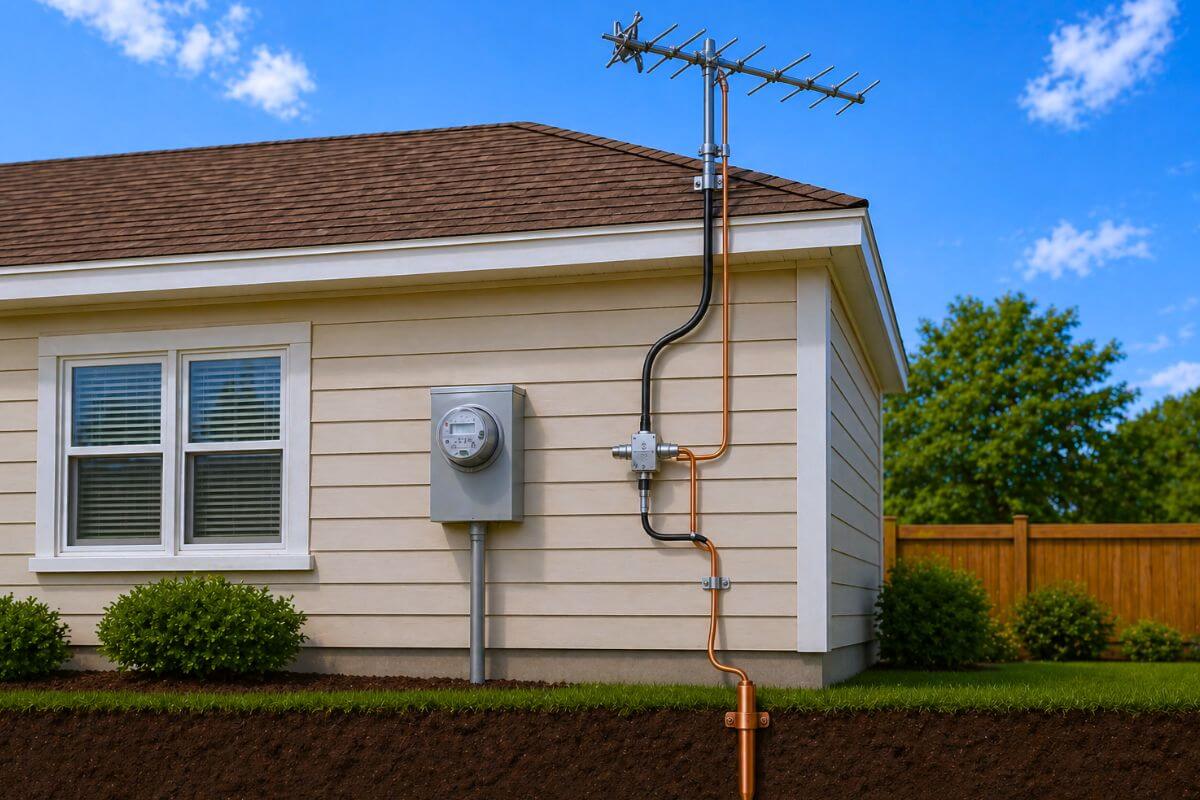
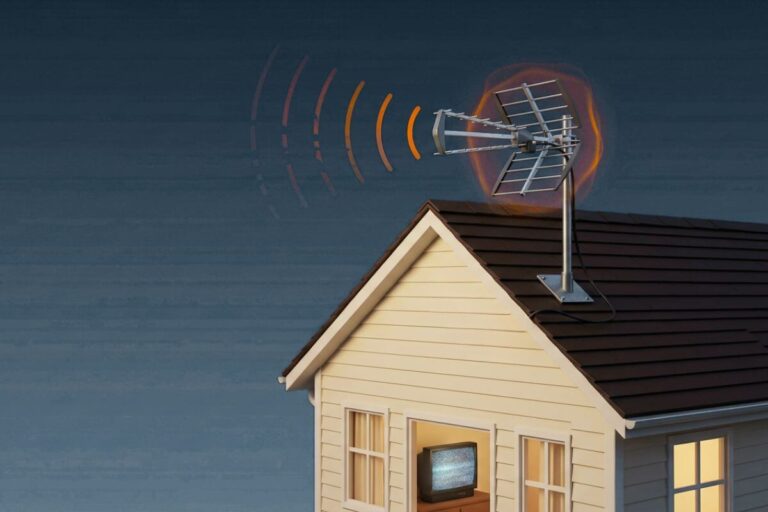
Grounding an outdoor TV antenna protects your home from lightning surges and static buildup by safely directing excess electricity into the ground. To do this, you connect your antenna and coax cable to a grounding block and run a copper wire to your home’s grounding system. This step is essential for safety and can also improve signal stability.
???? Grounding is required for outdoor TV antennas. Indoor antennas typically do not need grounding.
Living in Florida, I’ve seen how quickly storms can build and how damaging nearby lightning strikes can be—even without a direct hit. A grounded antenna helps protect your TV and reduces the risk of electrical damage inside your home.
Checklist for Installation
- Wire strippers
- Adjustable wrench or socket set
- Power drill (for mounting)
- Outdoor-rated zip ties
- Silicone caulk (seal entry points)
If you run into issues after setup, in addition to reading our guide to fixing a TV antenna that stopped working, check how to rescan channels the right way after reconnecting everything.
Your antenna notes and quick fixes, all in one place.
Get the Free TV Antenna Troubleshooting Checklist
A 4-page fill-in guide to keep near your TV.
Fill it in once. Use it when a channel disappears, the picture breaks up, or you need to fix your antenna again.
- Write down your must-have channels, tower direction, and antenna setup
- Follow the quick fixes when a channel goes missing or the picture freezes
- Find and record your best antenna spot so you do not have to start over
- Know when to rescan — and when not to rescan
- Keep the questions to ask an antenna pro before paying for new parts

Hi, I’m Kathy — I’ve helped thousands of readers ditch cable and get their local channels working for good.
How to Ground an Outdoor TV Antenna (Step-by-Step)
Step 1: Find the Ground Spot
Look near your electric meter.
You will see a metal rod or a small metal bar.
This is where your wire will connect.
???? If your antenna is not installed yet, follow this outdoor antenna setup guide first.
Step 2: Add the Grounding Block
Find where the cable comes into your house.
- Screw the cable from the antenna into one side
- Screw the cable going to your TV into the other side
Use a 3GHz grounding block (like this one).
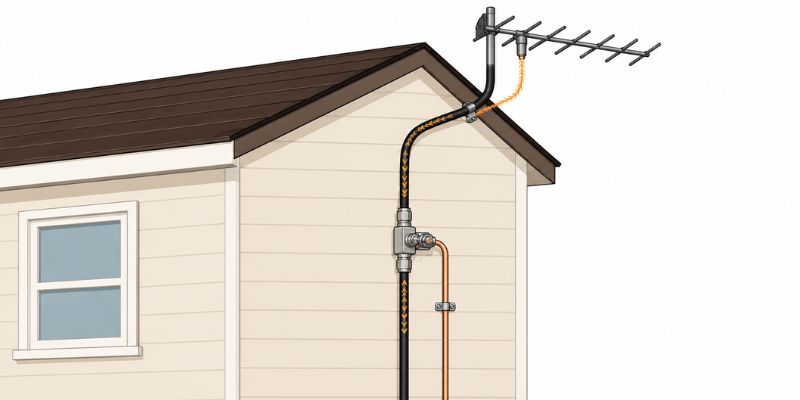
Step 3: Attach the Ground Wire
Take a 10 AWG copper wire (like this one).
- Attach one end to the antenna pole
- Attach the same wire to the grounding block
Run the wire down toward the ground.
???? Keep it straight. Do not loop it.
Step 4: Clamp the Wire
Use a grounding clamp (like this one).
- Attach the wire to your home’s ground rod or metal bar
- Tighten it so it does not move
Step 5: Finish the Ground Connection
Make sure everything is connected to the same ground point.
???? Do NOT use a separate ground rod by itself
???? Everything must connect together
If your signal is still weak after grounding, this guide on how to strengthen your TV antenna signal shows what to check next.
Quick Tips Before You Start
- Keep the wire short and straight
- Use 10 AWG copper wire
- Always connect to your home’s main ground
- Install the grounding block before the cable enters your house
- Never use a separate ground rod alone
Do You Need to Ground a TV Antenna?
Yes, you must ground an outdoor TV antenna. Grounding protects your home by safely directing lightning surges and static electricity into the ground. It also helps reduce signal interference, which can improve channel stability and prevent damage to your TV.
Grounding is required by the National Electrical Code (NEC Article 810) for all outdoor antenna masts and coaxial cables. It’s not optional—it’s a basic safety step.
- Safety: Prevents electrical damage and fire risk from surges
- Performance: Reduces signal noise from atmospheric interference
From my experience in Florida, a high-lightning area, static buildup from wind or nearby strikes can damage aTV’s tuner. A simple grounding block costs far less than replacing a TV.
If you’re missing channels even with a grounded antenna, here’s how to get missing TV channels back quickly.
The Best TV Antenna Grounding Wire and Blocks
To ground a TV antenna safely, you need the right wire, a grounding block, and secure connections to your home’s grounding system. Using the wrong materials can make grounding ineffective.
1. TV Antenna Grounding Wire (The Lifeline)
The grounding wire carries electrical surges safely into the ground.
- Look for: 10 AWG copper (recommended) or 8 AWG aluminum
- Why it matters: Thin wire can overheat or fail during a surge
If you’re installing a roof antenna, this is just as important as proper mounting height—see how height impacts performance in this guide on how high an outdoor TV antenna needs to be.
???? Use 10 AWG copper wire like this one (solid, outdoor-rated) for safe grounding.
2. Coaxial Grounding Block
A grounding block protects your TV by redirecting static from the coax cable before it enters your home.
- Look for: 3GHz-rated grounding block
- Why it matters: Maintains signal quality while adding protection
If your antenna suddenly stops working after a storm, poor grounding or a missing block is often the cause—this breakdown of why outdoor TV antennas lose signal explains what happens.
???? This grounding block is designed for TV antennas and won’t reduce signal.
3. Grounding Clamps (Connection Point)
Clamps connect your grounding wire to your home’s grounding system.
- Best option: Intersystem bonding bridge (near electric meter)
- Alternative: Heavy-duty pipe clamp or split bolt
Before attaching anything, make sure your antenna is positioned and secured correctly—this step-by-step outdoor antenna installation guide shows how to set everything up properly.
4. Grounding Rod (If Needed)
If no accessible ground exists, install an 8-foot copper grounding rod.
- Must be bonded to your main house ground
- Prevents dangerous voltage differences
If your setup isn’t working after grounding, this guide on fixing an outdoor TV antenna walks through the most common issues.
What Happens If You Don’t Ground a TV Antenna?
If you don’t ground your outdoor TV antenna, your home and TV are at risk. Grounding gives electricity a safe path to the ground. Without it, problems can happen.
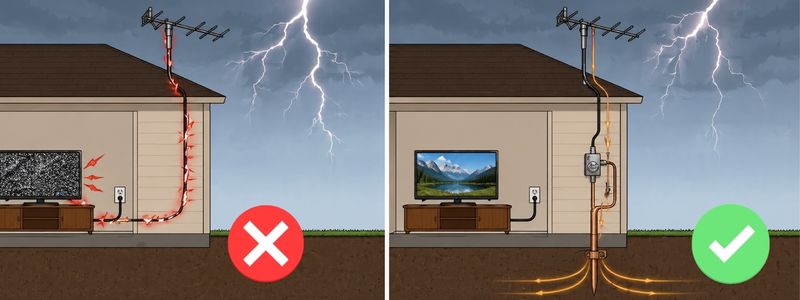
- Damage: A nearby lightning strike can send a surge through your cable and damage your TV or tuner.
- Signal problems: Static in the air can cause weak signal, pixelation, or lost channels.
- Safety risk: Extra electricity can build up and create a fire or shock hazard.
Grounding is a simple step that helps protect your equipment and your home.
Frequently Asked Questions
Do you need to ground an indoor TV antenna?
No. Indoor TV antennas do not need grounding because they are inside your home and not exposed to lightning or outdoor electrical surges.
Can you ground a TV antenna without a grounding rod?
Yes. Most homes already have a grounding system near the electric meter. You should connect your antenna to that system rather than installing a separate rod.
Wrap Up
Grounding an outdoor TV antenna is one of the most important steps you can take to protect your home and keep your signal stable. It only takes a few simple materials and a short amount of time, but it can prevent costly damage and frustrating signal problems.
Once your antenna is properly grounded, you’ll get the best results by making sure everything else is set up correctly—from placement and height to rescanning channels and fine-tuning your signal.
If you’re just getting started or want to get the most out of free TV, this complete guide on how to cut the cord and watch TV without cable walks through everything step by step.