Best Soundbars for Clear Dialogue at Low Volume (2026)
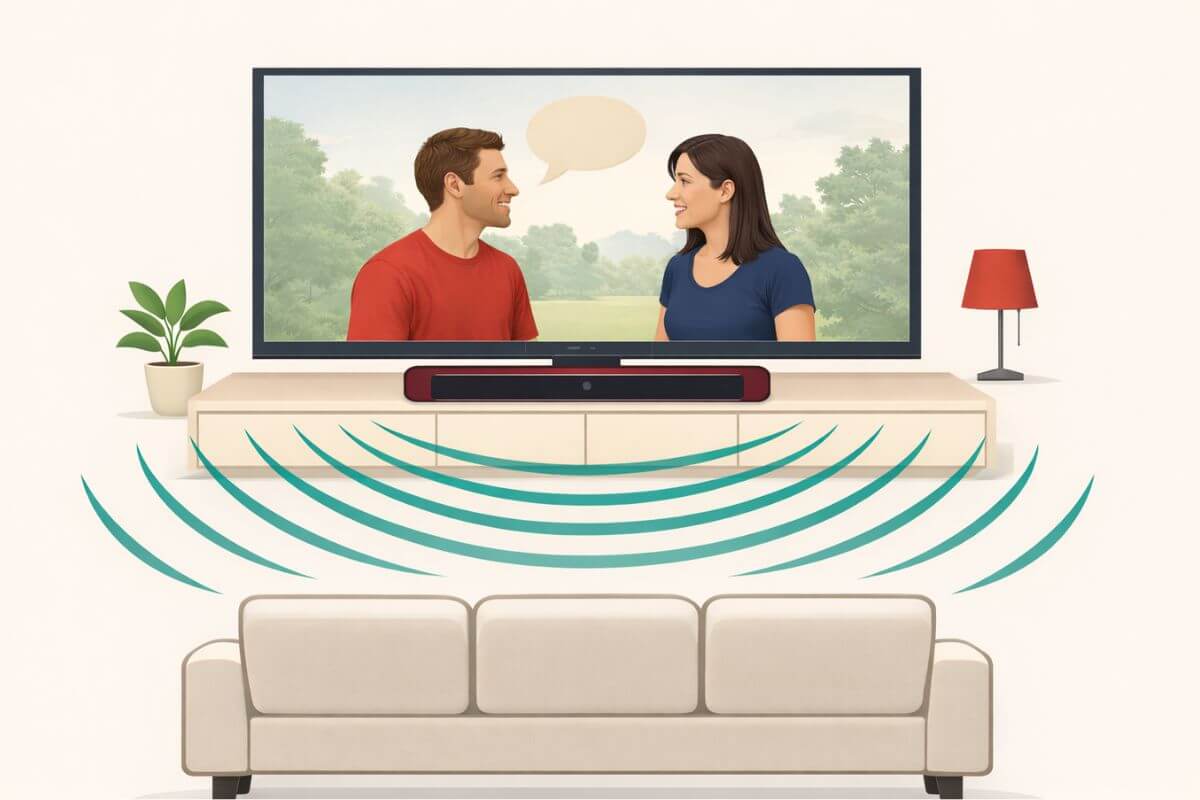
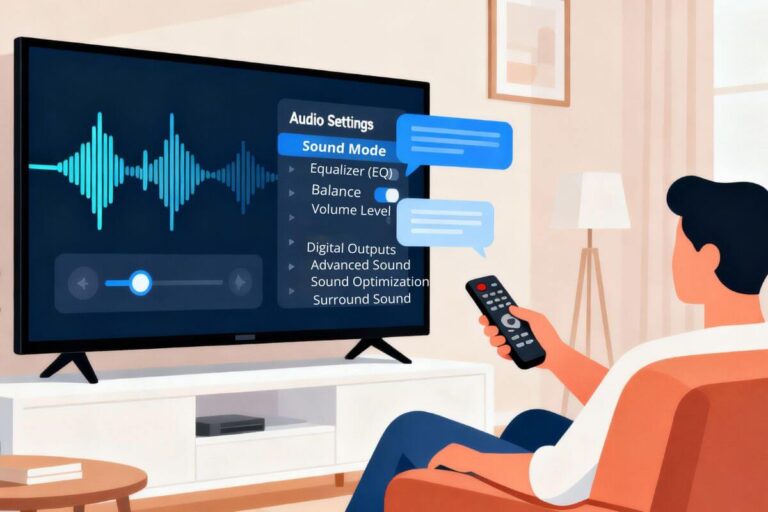
If you need clearer TV dialogue without turning up the volume, look for two features: dialogue enhancement and a true Night Mode or low-volume setting. Dialogue enhancement makes voices stand out, while Night Mode reduces the jump between quiet speech and loud music or effects.
My best overall choice is the Sonos Beam Gen 2. If hearing TV words is your main concern, the ZVOX AV157 offers several voice-boost settings to help make speech clearer. For a lower-cost option, the Sony HT-S100F includes both Voice Mode and Night Mode.
Is This Guide Right for You?
If you can hear the TV but struggle to make out the words, this guide is for you.
These soundbars may help if:
- Voices sound muffled, even when the TV is loud.
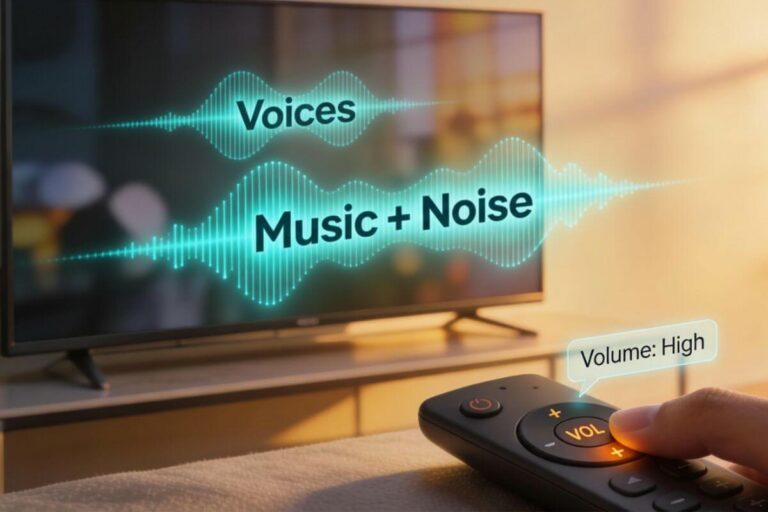
- Music and sound effects drown out speech.
- You turn up the volume for talking, then turn it down for loud scenes.
- You use captions to catch words you miss.
- You want to hear clearly without waking someone or bothering neighbors.
You’ll find picks for small budgets, larger rooms, and older TVs.
The Best Soundbars for Dialogue (Top Picks)
Sonos Beam (Gen 2) – Best Overall for Clear Dialogue at Low Volume
Best For: People who want clear TV voices at low volume without giving up good sound for movies and everyday TV.
The Sonos Beam (Gen 2) is my best overall pick because it tackles both parts of the problem: hard-to-hear dialogue and sudden loud sounds.
Its Speech Enhancement feature makes voices easier to hear. Its Night Sound mode lowers loud effects while keeping quieter dialogue easier to understand. That means you do not have to keep turning the volume up for conversations and back down when music or explosions start.
This makes the Beam especially useful at night, in apartments, or when someone else in the house is sleeping.

Key Features
- Speech Enhancement: Brings voices forward so words are easier to understand.
- Night Sound: Reduces loud effects while keeping quieter sounds easier to hear.
- Dedicated Center Channel: Helps keep voices clear and centered on the screen.
- Dolby Atmos: Adds fuller movie sound without requiring a large speaker system.
- Trueplay Tuning: Adjusts the sound to better match your room.
Pros
- Excellent dialogue clarity at moderate and low volume.
- Night Sound helps prevent sudden volume jumps.
- Speech Enhancement can be turned on when dialogue is difficult.
- Compact enough for most TV stands.
- Good overall sound for TV, movies, and music.
Cons
- More expensive than basic soundbars.
- Many sound settings are controlled through the Sonos app.
- No Bluetooth audio streaming.
Bottom Line
The Sonos Beam (Gen 2)is the best choice here if you want to hear dialogue clearly without making the whole TV louder.
Best if you want clear voices at night while keeping loud effects under control.
ZVOX AccuVoice AV157 – Best for Seniors and Hard-to-Hear Dialogue
Best for: Older adults and anyone whose main problem is understanding TV voices rather than getting bigger movie sound.
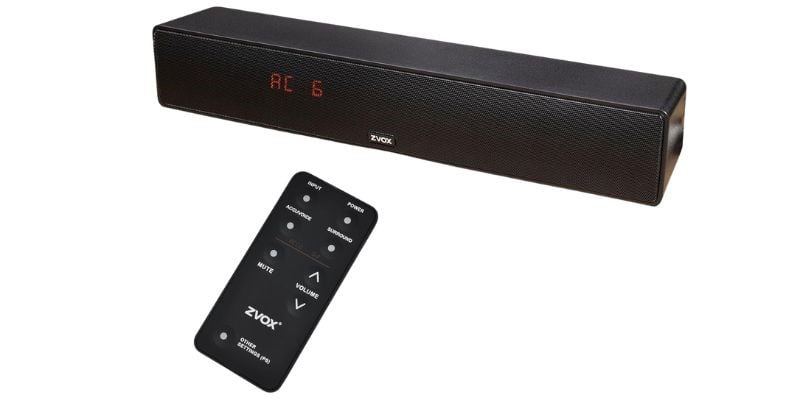
The ZVOX AV157 takes a different approach from most soundbars. It is designed mainly to make speech easier to understand.
It offers 12 levels of voice enhancement, so you can increase the speech boost until dialogue becomes clear enough for you. It also has Output Leveling, which helps reduce the difference between quiet and loud sounds.
That combination makes the AV157 especially useful when you want to keep the TV at a reasonable volume but still understand every word.
Key Features
- 12 Voice-Boost Levels: Six AccuVoice and six stronger SuperVoice settings.
- Output Leveling: Helps control sudden changes in volume.
- Compact Size: Only 17 inches wide.
- Simple Controls: Designed more for easy TV listening than complicated home theater use.
- Optical and Analog Connections: Works with many newer and older TVs.
Pros
- Designed mainly to make TV speech clearer.
- Lets you increase dialogue without simply raising the whole TV volume.
- Helpful when music and background noise overpower voices.
- Compact and easy to place.
- Good choice for people who regularly use subtitles because speech sounds unclear.
Cons
- Voices can sound less natural at stronger enhancement settings.
- Not designed for deep bass or big movie effects.
- No HDMI ARC.
- No Bluetooth or Wi-Fi music streaming.
Bottom Line
If hearing the words clearly matters more than big movie sound, the AV157 is worth considering.
Best if you want adjustable voice boost to help make TV words easier to hear.
Vizio V‑Series V21x‑J8 Soundbar – Best Budget Pick for Dialogue Plus Movie Sound
Best For: People who want clearer TV dialogue on a budget but still want fuller sound for movies.
The Vizio V-Series V21x-J8 gives you more powerful sound for the money, but it is not my first choice if you watch TV very quietly.
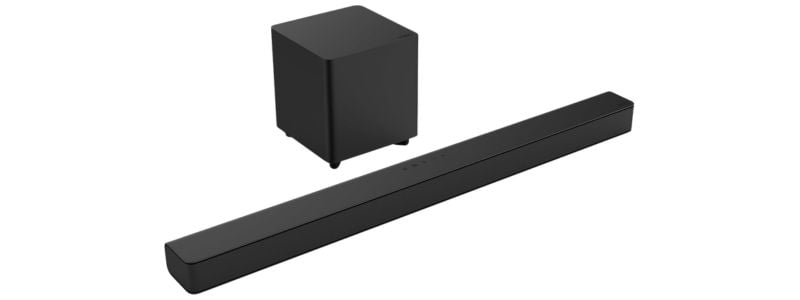
It includes a dialogue enhancement setting that helps bring voices forward. However, its separate subwoofer also adds stronger bass, so this model makes more sense for someone who wants both clearer dialogue and a bigger movie experience.
If you share walls or watch mostly late at night, one of the soundbars with a stronger low-volume or night feature may be a better fit.
Key Features
- Dialogue Enhancement: Helps voices stand out from music and effects.
- Wireless Subwoofer: Adds deeper bass for movies.
- DTS Virtual:X: Creates a wider sound effect without rear speakers.
- HDMI and Optical Connections: Works with most modern TVs.
- Voice Assistant Input: Can connect to compatible smart-assistant devices.
Pros
- Good value for a soundbar and separate subwoofer.
- Dialogue controls can improve muffled speech.
- Fuller movie sound than most small budget bars.
- Easy connection to most TVs.
Cons
- Not the strongest choice for very quiet listening.
- The subwoofer can be more bass than apartment or late-night viewers need.
- Takes up more room than an all-in-one soundbar.
- Dialogue may require more volume than with the Sonos or ZVOX.
Bottom Line
Choose the Vizio if you want clearer dialogue plus stronger movie sound and do not need to keep the TV extremely quiet.
Best if low price matters but you still want bass along with better dialogue.
Sony HT-S100F – Best Budget Soundbar for Clear Dialogue at Low Volume
Best For: Bedrooms, apartments, and smaller rooms where you want clearer voices without spending much.
The Sony HT-S100F is one of the better inexpensive choices for people who want to hear TV dialogue without making the whole room louder.
Its Voice Mode makes speech stand out more clearly. It also includes a Night Mode, which is important for this guide because it is designed for quieter listening.
That makes the Sony a better fit for bedrooms, apartments, and late-night TV than many inexpensive soundbars that simply make everything louder.
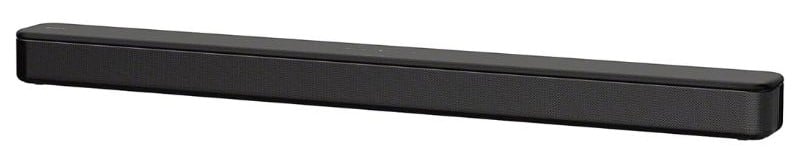
Key Features
- Voice Mode: Makes dialogue easier to hear.
- Night Mode: Helps make TV easier to listen to at lower volume.
- Bass Reflex Speaker: Adds some fullness without a separate subwoofer.
- HDMI ARC: Lets many TVs control the soundbar through the TV remote.
- Bluetooth: Allows wireless music streaming.
Pros
- One of the least expensive options here.
- Includes both Voice Mode and Night Mode.
- No separate subwoofer to bother neighbors.
- Simple setup.
- Slim enough for bedrooms and smaller TV stands.
Cons
- Does not have a dedicated center channel.
- Less powerful than premium soundbars.
- Limited bass and surround effects.
- Better for small and medium rooms than large open spaces.
Bottom Line
The Sony HT-S100F is a strong budget choice if your goal is clearer speech at a comfortable volume, especially at night.
Best if you want an inexpensive soundbar with both Voice Mode and Night Mode.
Samsung HW-Q800F Soundbar – Best for Clear Dialogue at Low Volume in a Large Room
Best For: Larger living rooms where dialogue needs to stay clear without turning the entire sound system up.
Large rooms create a special problem. You may raise the TV volume just to hear voices clearly, only to have music and effects become much too loud.
The Samsung HW-Q800F is designed to handle that better than a basic soundbar. Its dedicated center channel keeps dialogue focused on the screen, while Voice Enhance and Active Voice Amplifier Pro help speech stand out.
It also includes Night Mode, giving you a way to reduce the impact of louder sounds when you want quieter viewing.
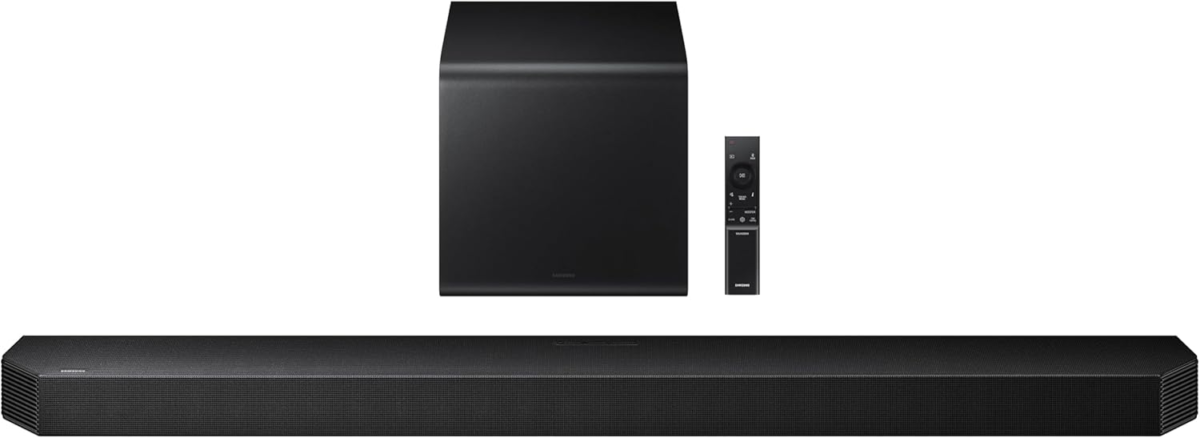
Key Features
- Dedicated Center Channel: Keeps dialogue separate from much of the surrounding sound.
- Voice Enhance: Helps make speech easier to understand.
- Active Voice Amplifier Pro: Helps dialogue stand out when other sounds in the room make it harder to hear.
- Night Mode: Reduces the impact of louder effects during quiet viewing.
- SpaceFit Sound: Adjusts sound to better suit the room.
Pros
- Strong dialogue features for larger rooms.
- Dedicated center channel helps voices remain clear.
- Night Mode makes the system more useful for quiet viewing.
- Powerful enough for movies without requiring high volume just to hear speech.
- More adjustment options than basic soundbars.
Cons
- Much more expensive than budget models.
- Larger than compact soundbars.
- Includes more home-theater features than some viewers need.
- Best value only if you also care about fuller movie sound.
Bottom Line
The Samsung HW-Q800F makes sense if you have a larger room but still want clear dialogue without constantly raising the volume.
Best if you need clearer dialogue in a larger living room with fuller sound.
Bose TV Speaker – Best for Older TVs
Best For: People who want clearer TV voices and a simple connection to an older TV.
The Bose TV Speaker is a compact soundbar with optical, AUX, and HDMI ARC inputs. These give you several ways to connect it, even if your TV has no HDMI ARC port.
Its Dialogue Mode helps voices stand out from other sounds. Turn it on with the included remote when speech is hard to follow.
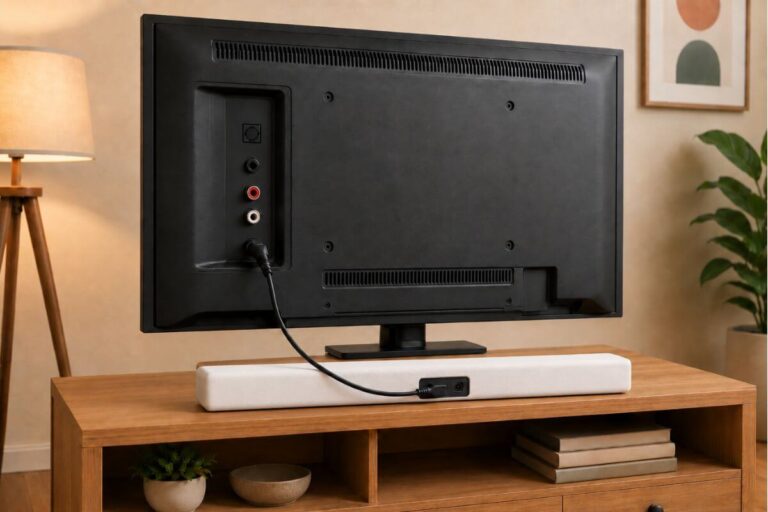
Check your TV’s audio outputs before buying. Use the included optical cable if your TV has an optical output. A headphone jack can connect to the soundbar’s AUX input with a separate cable. Red-and-white RCA audio outputs need an RCA-to-3.5mm cable.
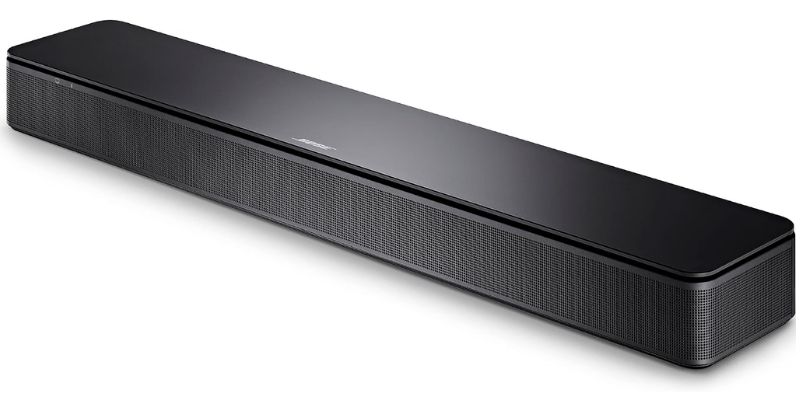
Key Features
- Dialogue Mode: Helps make TV words easier to hear.
- Optical and AUX Inputs: Offer connection choices for older TVs.
- HDMI ARC: Works with TVs that have an ARC port.
- Remote Control: Adjust volume, dialogue settings, and bass.
- Compact Size: About 23 inches wide and just over 2 inches tall.
- Bluetooth: Play music from a phone or tablet.
Pros
- Several connection options for older TVs.
- Optical cable and remote included.
- No app needed for setup.
- Dialogue Mode can stay on between uses.
- No separate subwoofer needed for basic TV listening.
Cons
- HDMI and analog audio cables are sold separately.
- Your TV must have a compatible audio output.
- Optical or AUX setup may require the Bose remote for volume control.
- The linked bundle includes an added protection plan; compare its price with the speaker alone.
Bottom Line
Choose the Bose TV Speaker if your older TV has an optical or analog audio output and you want a simple way to make voices clearer.
Best if easy setup and clearer speech matter more than surround sound.
Which Soundbars Have a Real “Night Mode” for Quiet Listening?
If your main goal is hearing dialogue clearly without turning the volume up—whether it’s a sleeping family member, thin apartment walls, or just personal preference—look specifically for a “Night Mode,” “Night Sound,” or similar low-volume feature. This is different from basic dialogue enhancement: it automatically softens loud effects and music while keeping quiet dialogue clear, so the whole mix stays listenable at a low volume.
If low-volume listening is your top priority, prioritize this feature over raw power or bass—the loudest soundbar isn’t the answer here.
How to Choose a Soundbar for Clear Dialogue at Low Volume
If clear speech is your main goal, focus on features that make voices easier to hear without raising the whole TV volume.
Look for Dialogue or Voice Enhancement
Choose a soundbar with Dialogue Enhancement, Speech Enhancement, Voice Mode, Clear Voice, or Voice Boost.
These features bring speech forward so voices are easier to understand over music and sound effects.
Look for Night Mode or Volume Leveling
A true Night Mode or volume-leveling feature is one of the most useful features for low-volume listening.
It reduces the difference between quiet dialogue and loud sounds like explosions, music, or commercials. That means fewer sudden jumps in volume.
A Dedicated Center Channel Can Help
In many TV shows and movies, dialogue is sent mainly through the center channel.
A soundbar with a dedicated center speaker can keep voices clearer and more focused instead of letting them blend into background sound.
Be Careful With Too Much Bass
Strong bass can be great for movies, but it does not always help dialogue.
If speech clarity matters most, look for a soundbar that lets you lower the bass or adjust the center channel separately. Too much bass can make voices harder to follow.
Check the Connection Type
Most newer TVs use HDMI ARC or eARC, while many older TVs use an optical audio output.
Before buying, make sure the soundbar has a connection that works with your TV. Some models also include AUX or analog inputs for older sets.
If you need help connecting one, see my step-by-step guide on how to set up a soundbar.
For clear dialogue at low volume, prioritize voice enhancement and Night Mode before bass, surround sound, or maximum volume.
Do Soundbars Really Make TV Dialogue Clearer?
Yes. A soundbar can make TV dialogue easier to understand, especially if it has dialogue enhancement, a dedicated center channel, or a Night Mode for low-volume listening.
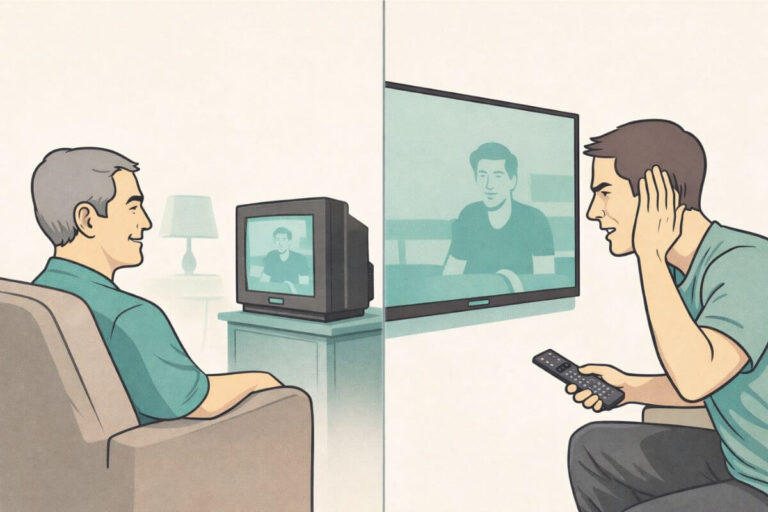
Modern TVs are very thin, so their small speakers often struggle to separate voices from music and sound effects. A soundbar gives speech more room and can process dialogue so it stands out without simply making everything louder.
If your TV itself may be the problem, see why smart TVs often have poor sound quality.
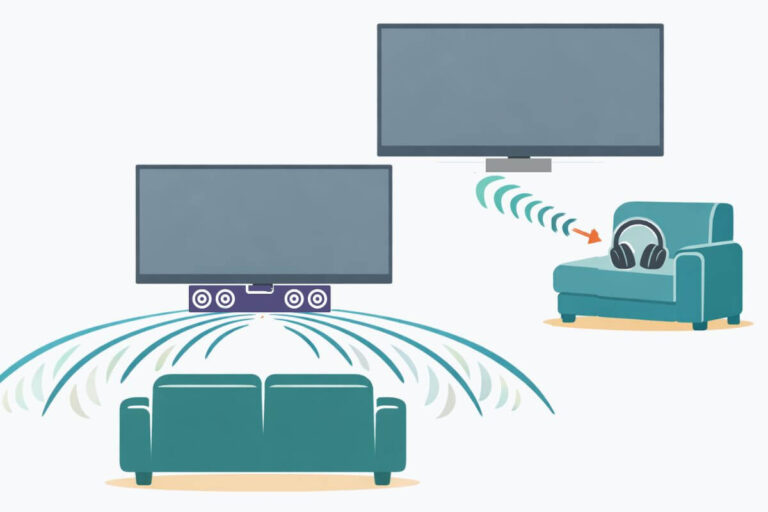
If you still struggle with dialogue, wireless TV headphones can provide even clearer speech. You can also compare soundbars vs. wireless TV headphones to see which is better for you.
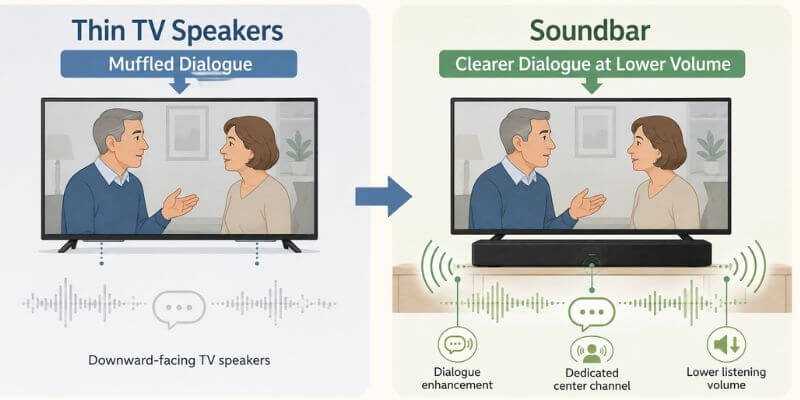
How We Selected the Best Soundbars
I did not personally test every soundbar in this guide. I compared manufacturer specifications, independent professional reviews, owner feedback, and features designed specifically for clearer TV speech.
For this guide, I gave the most weight to how well each soundbar helps with dialogue at lower listening volumes.
I looked for:
- Dialogue or voice enhancement that makes speech stand out
- Night Mode or volume leveling that controls loud effects and commercials
- A dedicated center channel or speech-focused tuning
- Controls that let you reduce bass or boost dialogue
- Easy connections such as HDMI ARC, eARC, or optical
- Strong professional and owner feedback about dialogue clarity
- Simple controls and setup for everyday TV watching
I gave extra weight to models that help people who struggle with muffled voices, background music that overpowers speech, or constant volume changes.
The goal was simple: Find soundbars that make TV dialogue clearer without forcing you to turn everything louder.
Looking to settle in with an old favorite or try a mystery you missed? Our 1960s detective-show guide lists both free viewing and DVD options.
Frequently Asked Questions
Will a soundbar make TV dialogue clearer?
Yes. Soundbars with dialogue enhancement, voice boost, or a dedicated center channel can make speech easier to hear over music and sound effects.
Which soundbar is best for clear dialogue at low volume?
The Sonos Beam (Gen 2) is my best overall choice because it combines Speech Enhancement with Night Sound. For a lower-cost option, the Sony HT-S100F includes both Voice Mode and Night Mode.
What is the difference between Night Mode and dialogue enhancement?
Dialogue enhancement makes voices stand out more clearly. Night Mode reduces the difference between quiet dialogue and loud effects, so you can keep the overall volume lower.
Do I need a center channel for clear dialogue?
Not always, but it can help. In many TV shows and movies, dialogue is sent mainly through the center channel, so a dedicated center speaker can keep voices clearer and more focused.
Can a soundbar make voices clearer without making everything louder?
Yes. That is exactly what features such as Speech Enhancement, Clear Voice, Voice Mode, and Night Mode are designed to do.
What is the best soundbar for hard-to-hear TV dialogue?
The ZVOX AccuVoice AV157 is the most speech-focused option in this guide. It offers multiple levels of AccuVoice and SuperVoice enhancement for people who have particular trouble understanding TV dialogue.
Do soundbars work with older TVs?
Usually. Many older TVs have an optical audio output, while newer TVs commonly use HDMI ARC or eARC. Check your TV’s available connections before buying.
Pick the Soundbar That Fits Your TV
Start with what bothers you most. If words get lost under music, look for voice boost. If loud scenes send you reaching for the remote, look for Night Mode.
Before you buy, check your TV’s audio outputs and the seller’s return policy. Once it arrives, try a show you often struggle to hear at your usual volume.
The real test: Can you follow the story without reaching for the volume button?
For your next TV night, explore 23 classic detective shows and where to watch them, from Perry Mason to Mannix.