Why Classic TV Was Mixed for Mono — and What That Means Today
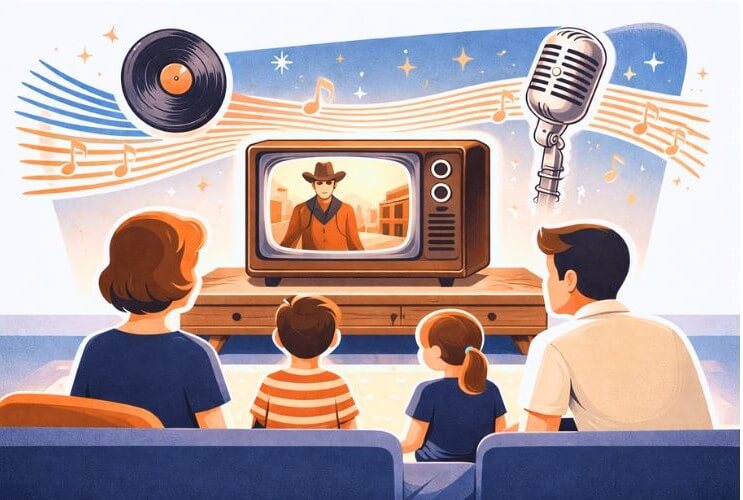
If classic TV shows feel harder to follow now, it’s not because the shows changed — and it’s not because you’re imagining things.
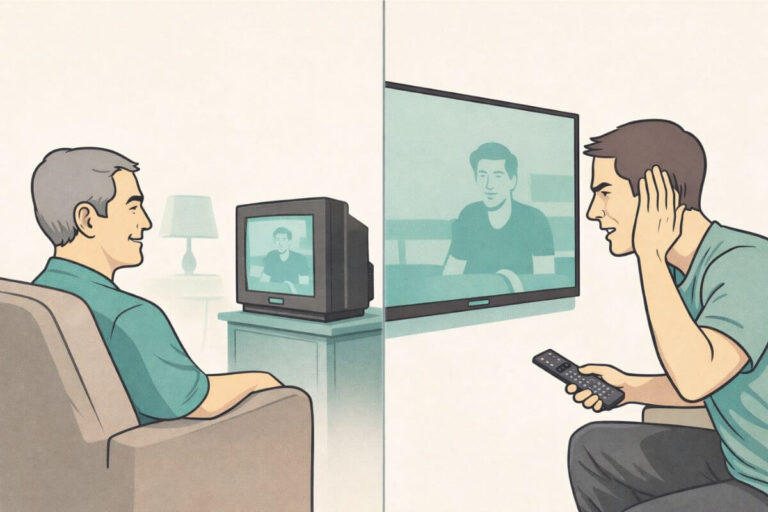
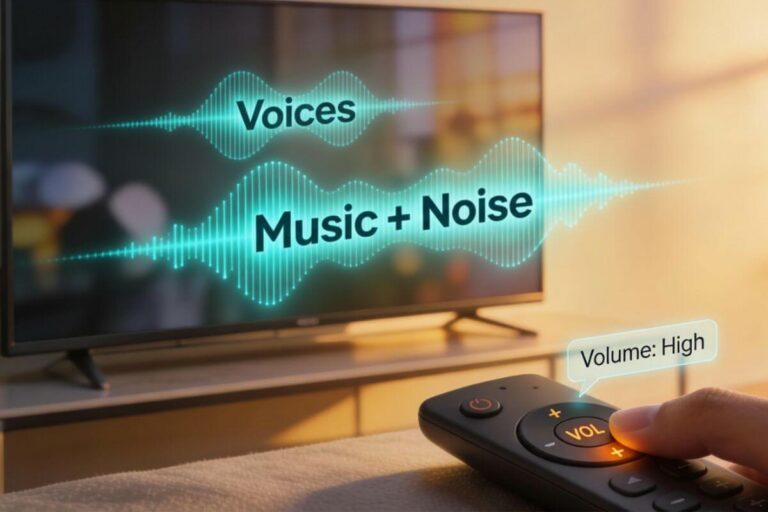
Many people notice that classic TV mono sound feels different today, especially when watched on modern flat-screen TVs., especially when watched on modern flat-screen TVs. Voices can feel thinner, less focused, or harder to catch than they once were.
The reason isn’t nostalgia. It’s history.
To understand why classic TV sound behaves differently today, you have to look at how television was originally designed — not just the TVs themselves, but the rooms, viewing habits, and technical limits of the time.
What “Mono” Really Meant in Early Television
For most of television’s early decades, shows were produced using mono audio.
Mono sound means everything — dialogue, music, and sound effects — was combined into one single audio track. There was no left speaker, no right speaker, and no surround sound.
That wasn’t a flaw. It was intentional.
Classic television assumed:
- One television per household
- One speaker
- One primary listening position, typically directly in front of the TV
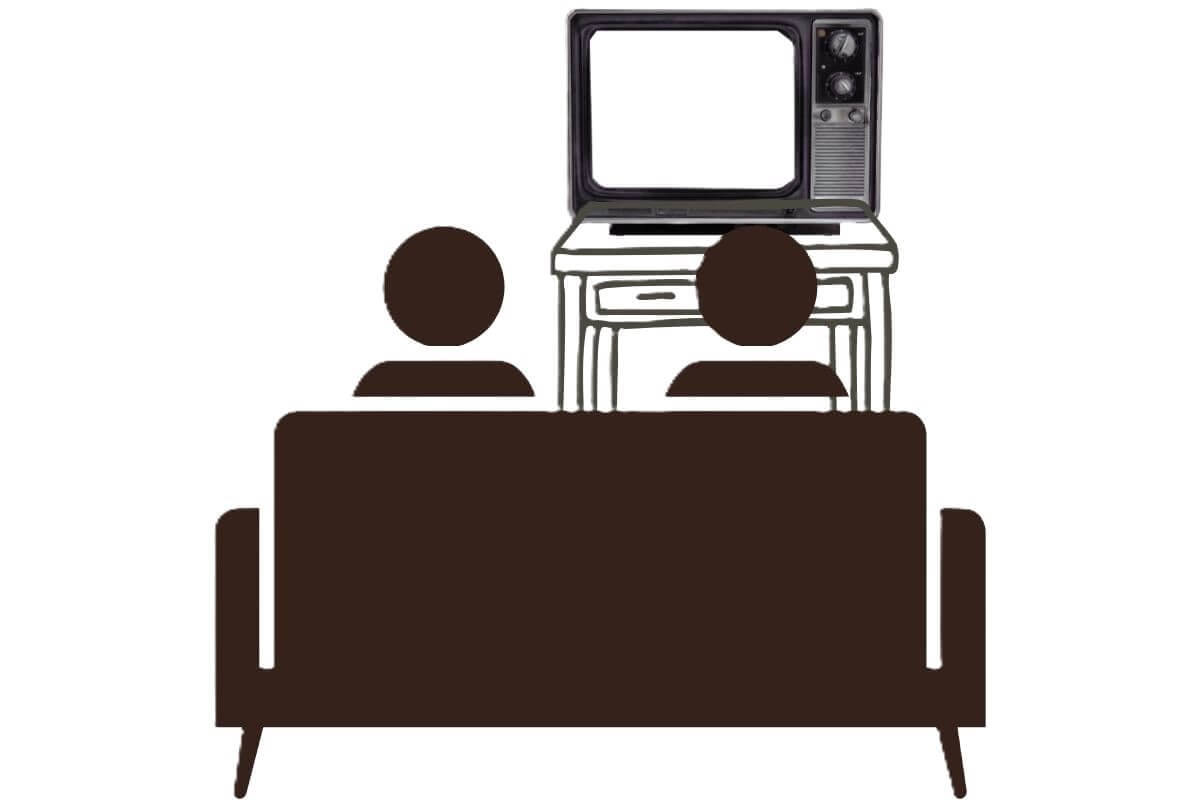
Sound wasn’t meant to move around the room. It was meant to stay centered, direct, and intelligible.
Broadcast engineers mixed audio so dialogue would cut through clearly when played from a single speaker in a wooden TV cabinet. Voices were anchored, predictable, and easy to follow.
Why Dialogue Was the Priority in Classic TV
Classic television wasn’t built for casual or distracted viewing.
There was no pausing, no rewinding, and no captions you could toggle on and off. If you missed a line of dialogue, you missed it.
Because of that:
- Dialogue had to be clear the first time it was spoken
- Music stayed behind the voices
- Sound effects were subtle and carefully controlled
This is one reason classic shows often feel calmer and easier to follow. The sound mix assumed attention — and rewarded it with clarity.
Writers, directors, and sound engineers all worked with that assumption in mind. Dialogue carried the story. Sound existed to support it, not compete with it.
Why Smaller Rooms Made Classic TV Easier to Hear
Classic TV wasn’t just made for older televisions. It was made for smaller, quieter rooms.
When many classic shows first aired, living rooms were:
- More compact and enclosed
- Lower-ceilinged
- Filled with soft furnishings like rugs, curtains, and upholstered furniture
Those rooms helped contain sound.
In a smaller space:
- Voices didn’t have to travel far
- Echo was limited
- Dialogue stayed clear at lower volumes
Modern homes often look very different. Open floor plans, higher ceilings, harder surfaces, and seating farther from the TV all work against focused speech.
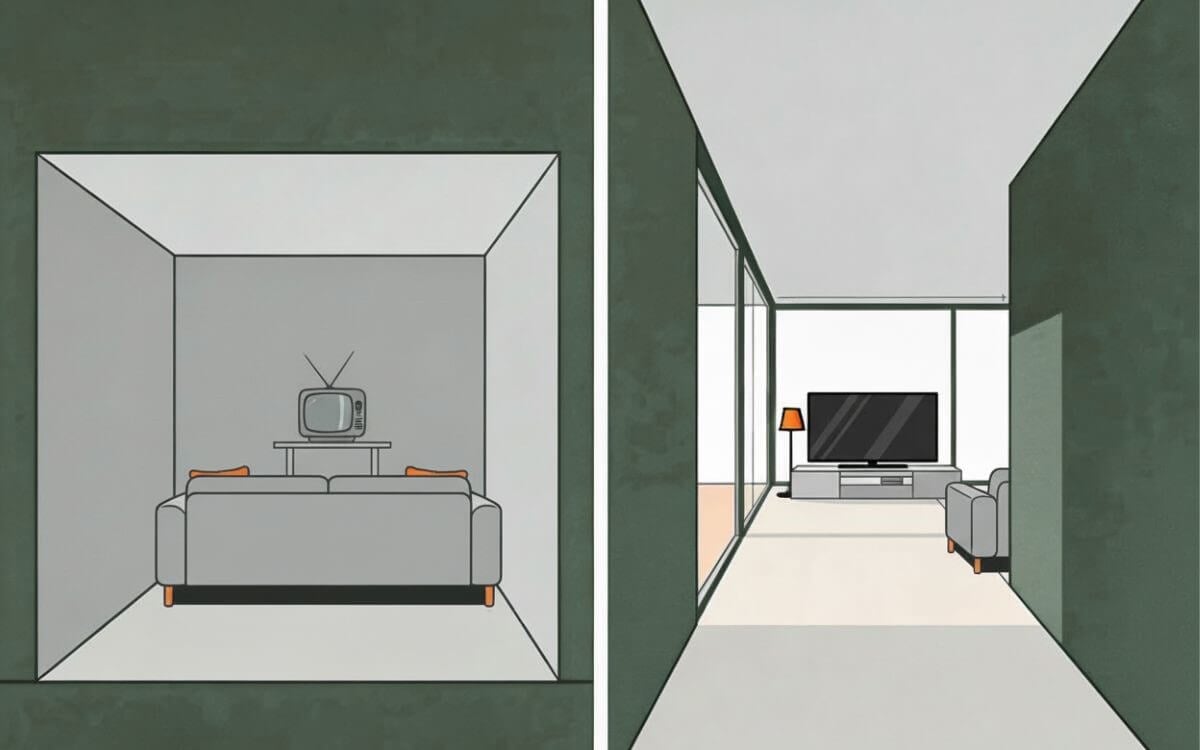
Important point: Classic TV sound relied on rooms that helped voices stay intelligible. Modern rooms often dilute that clarity.
Broadcast Limits Also Shaped Mono Sound
It’s also important to understand the technical limits of early television broadcasting.
Audio bandwidth was limited. Signals had to travel reliably to millions of homes using simple equipment. Mono audio was:
- More stable
- Less prone to distortion
- Easier to transmit consistently
Stereo television sound didn’t become common until decades later, and even then adoption was slow.
Mono wasn’t just common — it was the safest way to ensure dialogue survived the trip from studio to living room.
What Changed With Modern TVs
Modern televisions are engineered for a very different sound environment.
Today’s TVs are:
- Extremely thin
- Designed for stereo or surround playback
- Often wall-mounted, with speakers aimed downward or backward
When mono audio TV plays through modern systems, the TV often tries to adapt it using digital processing. That processing can unintentionally weaken dialogue focus.
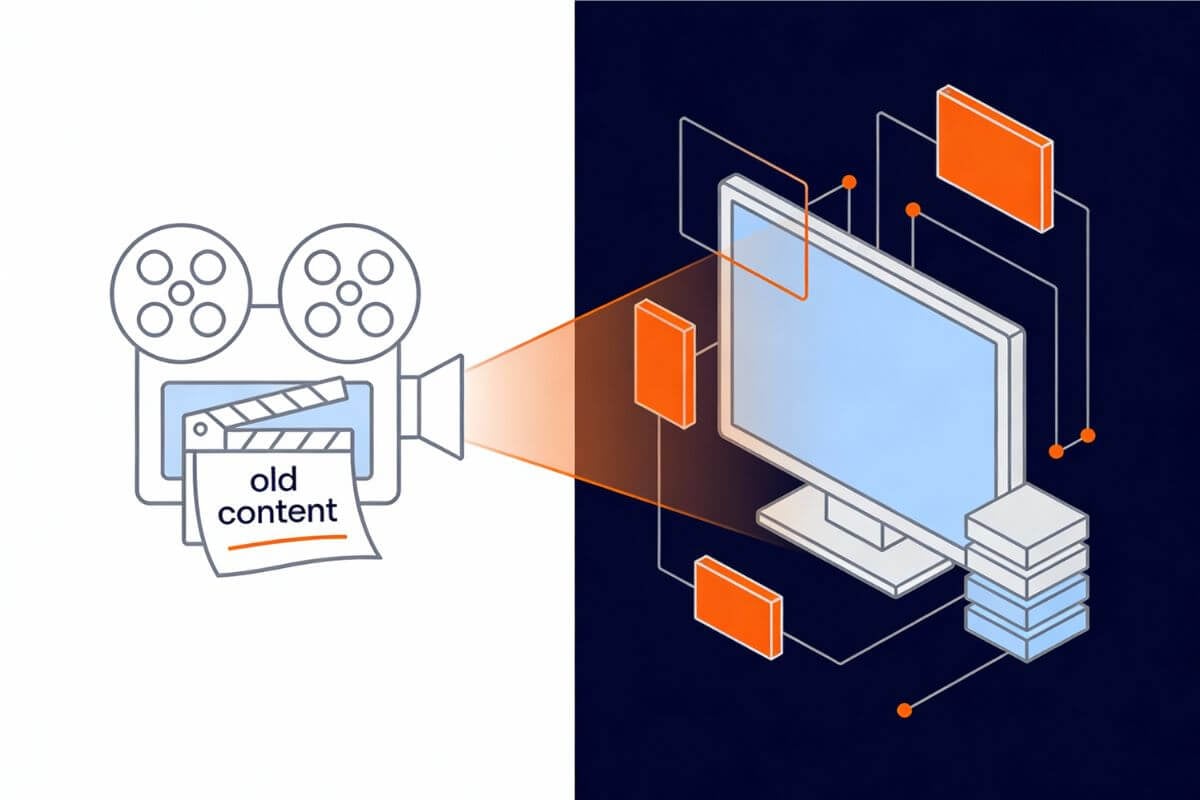
Instead of one clear sound source in front of you, the audio may feel:
- Less anchored
- More spread out
- Harder to follow
This is why people often notice the issue after setting up a new TV or streaming device — especially during initial configuration.
If this first became obvious while setting up a device, guides like Roku Stick setup instructions often make the difference noticeable because you’re suddenly comparing different audio sources.
Why Classic TV Can Sound Worse Than Modern Shows
Modern shows are mixed specifically for today’s equipment. Engineers expect stereo speakers, soundbars, or surround systems.
Classic shows were not.
When older audio is played on modern equipment:
- Voices may lose their “center”
- Background noise becomes more noticeable
- Quiet dialogue doesn’t project as clearly
Even when classic shows are digitally restored, the original sound mix limits how much can change. Cleanup can reduce hiss or noise, but it can’t redesign how dialogue was balanced decades ago.
???? Key takeaway:
Classic TV sound issues today are usually about playback, not poor production.
Why Your Memory of Classic TV Sound Isn’t Wrong
Many people worry that this change means something is wrong with their hearing.
Often, it doesn’t.
Classic TV was designed for:
- Smaller rooms
- Quieter homes
- One clear speaker aimed directly at the listener
Modern TVs recreate that same audio in a way it was never designed for. The experience changes — even when the show itself hasn’t.
That’s why many viewers first notice these issues while watching classic TV for free on modern platforms: The content is the same. The environment is not.
What This Means for Watching Classic TV Today
Understanding mono sound doesn’t fix the issue by itself, but it explains why classic TV voices can sound muffled or uneven on modern TVs — and why a practical fix is sometimes needed.
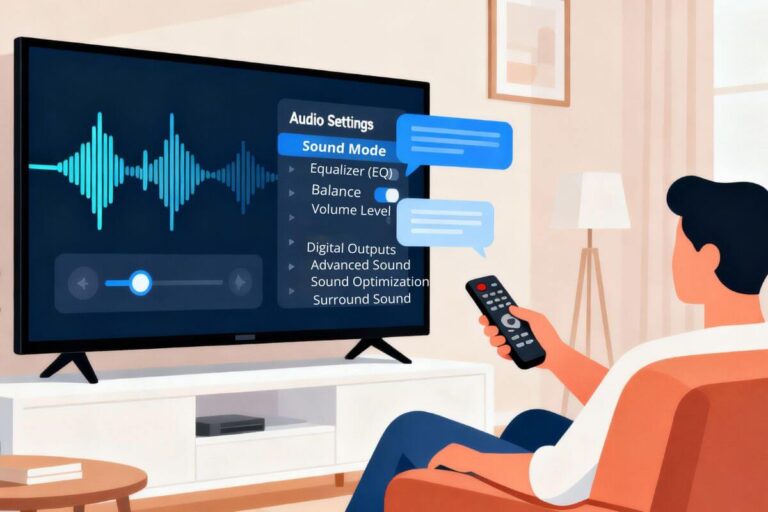
If voices are hard to follow, start with the free adjustments in Make TV Voices Louder and Clearer. It focuses on what actually helps without assuming anything is wrong with you or the show.
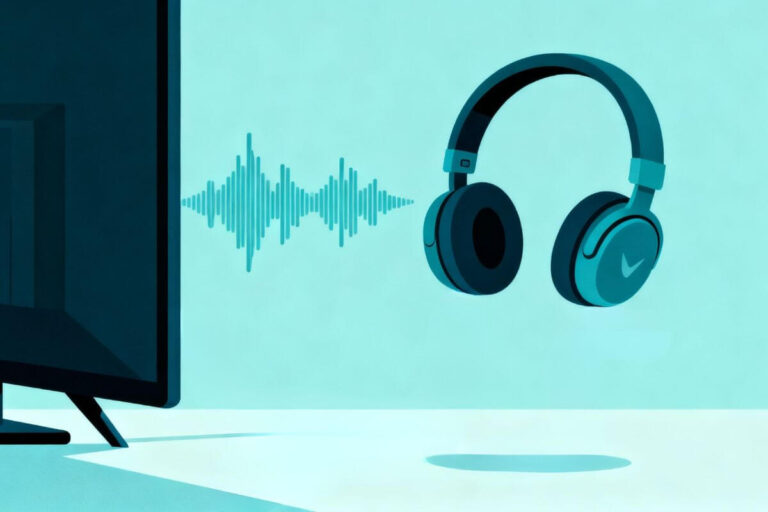
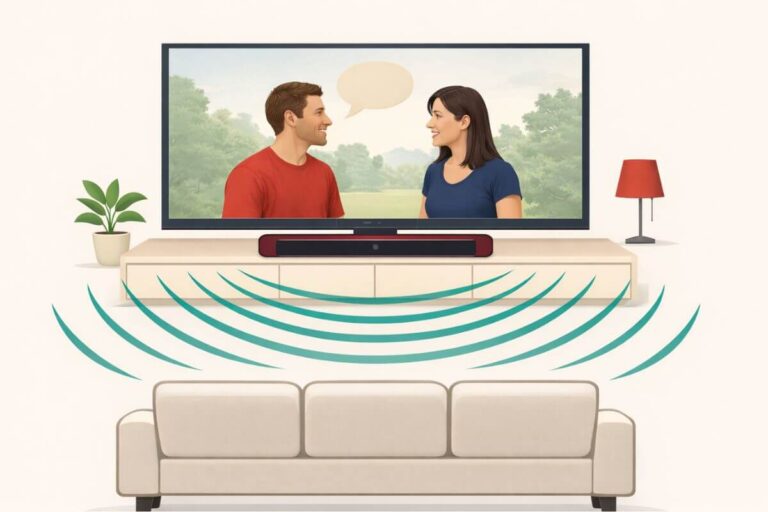
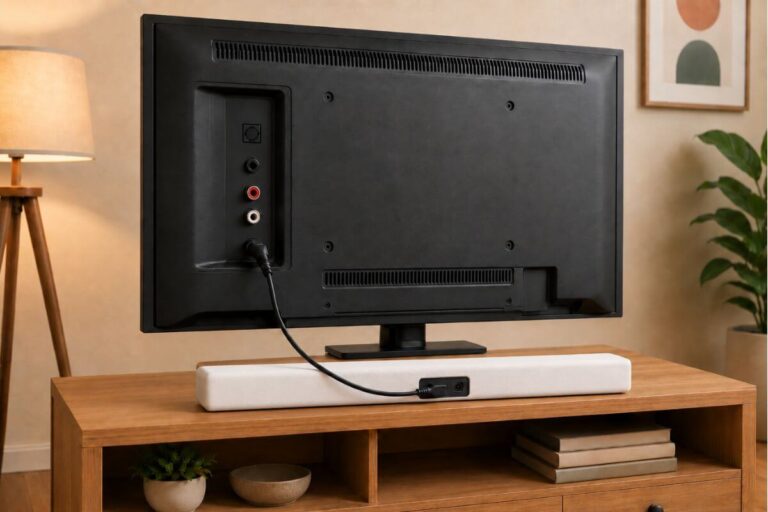
If you still need more clarity, the next step is deciding whether improving room sound or switching to personal listening will work better — this comparison explains when a soundbar helps most and when TV headphones are the better option.
Frequently Asked Questions
What does mono sound mean on a TV?
Mono sound means all audio—voices, music, and sound effects—comes from a single audio channel. Classic TV shows were mixed this way because early televisions had one speaker. The sound was designed to be focused and easy to understand, not spread across multiple speakers.
Were all classic TV shows recorded in mono?
Most television shows made before the late 1970s were recorded and broadcast in mono. Stereo sound didn’t become common on television until much later, and even then, many shows continued using mono for years because it was more reliable for broadcast.
Why does mono audio sound different on modern TVs?
Modern TVs are designed for stereo and surround sound. When mono audio plays on these systems, the TV often processes or “spreads” the sound to fit modern speaker layouts. That processing can reduce the focus that mono sound originally had, making dialogue feel thinner or less direct.
Why does mono audio sound different on modern TVs?
Modern TVs are designed for stereo and surround sound. When mono audio plays on these systems, the TV often processes or “spreads” the sound to fit modern speaker layouts. That processing can reduce the focus that mono sound originally had, making dialogue feel thinner or less direct.
Did classic TVs really sound clearer than today’s TVs?
In many cases, yes—but not because they were higher quality. Older TVs had front-facing speakers, smaller rooms, and sound mixes designed specifically for speech clarity. The entire system worked together to make dialogue easy to hear.
Why do old shows sometimes sound fine on my phone but not on my TV?
Phones and tablets play sound very close to your ears, often through small speakers designed for voices. That direct sound can make dialogue seem clearer than when the same show is played through a modern TV in a larger room.
Is my sound issue a problem with the show or with modern TVs?
Usually, it’s not a problem with the show itself. The sound was mixed correctly for the TVs and rooms of its time. The issue comes from how modern TVs and modern living spaces reproduce that older audio today.
Wrap-Up
Classic TV wasn’t made for today’s televisions—or today’s homes.
Shows were mixed for mono sound and heard in smaller, quieter rooms where voices stayed centered and easy to follow. Modern TVs, larger spaces, and digital audio processing can change how that same sound lands, which is why classic dialogue can feel thinner or harder to catch now.
If you want the simple explanation first, start with the guide that explains why voices sound muffled today.
When you’re ready to take action, use the step-by-step setup guide to make voices on your TV louder and clearer.
Once you know what’s causing the problem, the fix feels straightforward.